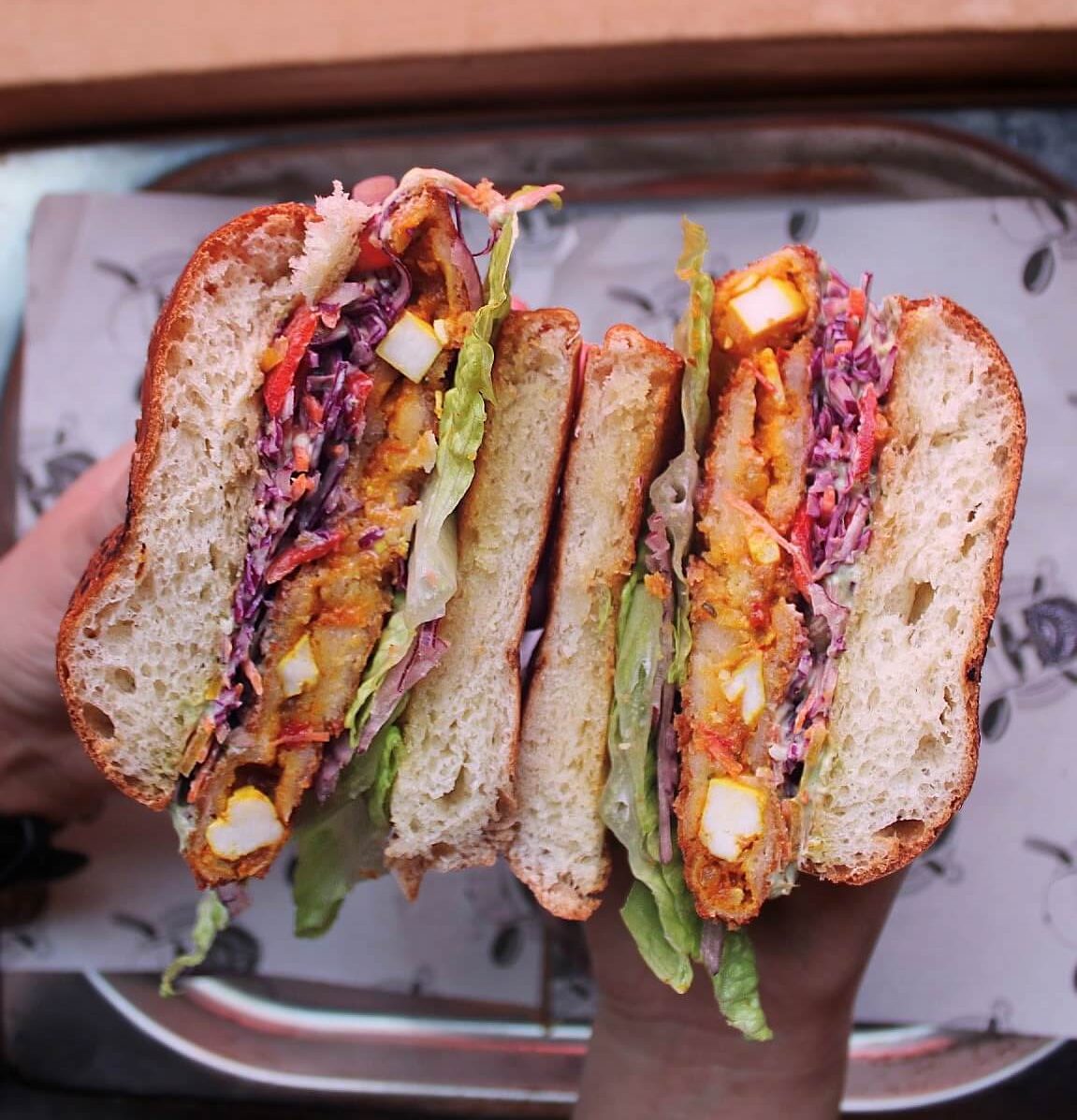
As part of Malvern Hills District Council’s commitment to reducing food waste, we are encouraging tourism and hospitality businesses to adopt better practices to create a more sustainable visitor economy, including buying from local suppliers, reducing food waste, redirecting surplus food to residents and local communities and eliminating all single-use plastic. Please join our Food Action Network by following our guidance below.
Supporting a Circular Local Economy
Reducing food waste is an important part of developing a more circular economy in the Malverns.
A circular economy focuses on reducing waste, reusing resources, and keeping value circulating locally for as long as possible. For hospitality businesses, this means:
- sourcing locally where possible
- reducing unnecessary waste
- improving resource efficiency
- supporting local supply chains
- collaborating with other businesses and organisations
These actions not only reduce environmental impact but also strengthen the local economy and enhance the visitor experience.
Local Producers
The Malverns is home to a wealth of exceptional local food and drink producers. We encourage tourism and hospitality businesses to source locally wherever possible — supporting sustainability, reducing food miles, strengthening the local economy, and creating a more authentic visitor experience through seasonal menus made with the freshest ingredients. Make sure you include the names of your local suppliers within your menus to create the authentic foodie experience.
Sourcing local produce can also help businesses showcase the distinctive character of the region, respond to growing visitor demand for sustainable dining, and build valuable relationships with nearby suppliers and artisans. To discover a wide range of local suppliers, visit the Taste of Worcestershire Buyers’ Events, where you can meet producers from across the county. You can also explore our sample list below to see some of the fantastic local products available.
- Astley Vineyard
- Hanley Vineyard
- Two Beacons Vineyard
- Wagtail Retreat Wines
- Elgar Wines
- Marlbank Vineyard
- Malvern Hills Brewery
- Friday Beer Company
- Teme Valley Brewery
- Hop Shed Brewery
- Oldfield Cider
- Robinsons Cider
- Norbury Norrest Farm & Cider
- Malvern Gin
- Malvern Bitters
- Holy Well Malvern Water
- Top Barn Farm Shop
- Clive’s Fruit Farm
- Broomfield’s Farm Shop
- The Fold Organic Farm
- Bennetts Farm (ice cream/dairy)
- Croome Cuisine (cheese)
- Lightwood Farm (cheese)
- Peter Cooks Bread
- Evendine Sourdough Bakery
- Beacon View Bakehouse
- Madresfield Estate (organic crops and meat)
- Luccies Farm Ltd (Aberdeen Angus and Highland Cattle)
- Sweet Treats
- The Pudding Shop
- Greenlink Organic Foods
- The Bran Tub
Food Waste
Food waste is one of the hospitality sector’s biggest environmental and financial challenges. Across hotels, cafés, restaurants, pubs, and catering businesses, large amounts of edible food are lost every day through overproduction, spoilage, inefficient storage, or plate waste.
Malvern Hills District Council operates a commercial food waste collection service to help reduce the carbon footprint created by food waste.
How Do We Recycle Your Food Waste?
We use a process called Anaerobic Digestion (AD).
This process uses microorganisms to break down the food waste in an enclosed system, and the absence of oxygen helps to break down the food waste.
The result is methane coming off which is collected and converted into biogas. Biogas is used to generate electricity or heat. The AD process also creates a nutrient-rich material which is used as a fertiliser for land regeneration.
But, we see this as the final journey and more can be done to reduce waste by tourism and hospitality businesses before its necessary to undergo this process.

Why Does Reducing Food Waste Also Matter?Malvern Hills District Council partners with Love Food Hate Waste providing ideas for how to purchase, store and portion food for sustainability.
Besides reducing your carbon footprint, when food is wasted, businesses lose far more than the ingredients themselves. Waste also includes:
- staff time
- preparation costs
- storage and refrigeration energy
- transport costs
- disposal expenses
- supports local communities
Reducing food waste can help businesses improve efficiency, lower operational costs, and strengthen long-term resilience.
It also supports the wider ambitions of the Malverns to become a more sustainable and regenerative visitor destination.
What Are The Practical Actions Tourism and Hospitality Businesses Can Take?
There are many simple and effective ways hospitality businesses can reduce food waste.
Improve Stock Management
Monitoring stock levels carefully, rotating ingredients correctly, and reviewing ordering systems can significantly reduce spoilage.
Review Portion Sizes
Tracking plate waste can help identify opportunities to reduce unnecessary food waste without affecting customer satisfaction.
Use Seasonal and Local Produce
Seasonal menus often reduce waste while supporting local growers and suppliers. Sourcing locally also helps reduce food miles and keeps more spending within the regional economy.
Repurpose Surplus Ingredients
Creative menu planning can help businesses make better use of surplus ingredients through specials, soups, sauces, or baked goods.
Separate and Recycle Food Waste
Ensuring food waste is correctly separated for composting or recycling helps reduce landfill impact and supports more circular waste systems.
Engage Staff and Customers
Training teams and communicating sustainability efforts to customers can help create a culture of waste reduction across the business.
Composting
Composting food waste and biodegradable materials is another effective way for tourism and hospitality businesses in The Malverns to reduce landfill waste, lower environmental impact, and support a more circular and sustainable local economy.
Donate Surplus Food
If you do have surplus food, there are other alternatives to consider.
Malvern Green Space Community Kitchen
The Malvern Green Space Community Kitchen provides free or “pay-what-you-can” meals made from perfectly good surplus food. It operates a vibrant community café and sharing hub to reduce food waste and bring the community together. Donations welcome.
Community Fridges
Community fridges brings people together to share food, connect with others, learn new skills and prevent fresh food from going to waste. Please see the list below.
Malvern Link
Pickersleigh
Upton upon Severn
Too Good To Go Food App
Too Good To Go is a popular mobile app that connects users with local restaurants, cafes, and supermarkets to purchase unsold, surplus food at a fraction of the retail price. Users reserve “Surprise Bags” of food via the app and collect them during designated times to reduce waste and save money.
Eliminate Single-Use Plastics
Following the UK ban on many single-use plastic items, tourism and hospitality businesses in The Malverns have an important opportunity to further reduce plastic waste and adopt more sustainable practices. Restrictions on items such as plastic cutlery, plates, bowls, trays, stirrers, and certain polystyrene food and drink containers have encouraged businesses to move towards reusable, recyclable, or compostable alternatives.
In addition to complying with current legislation, businesses can take further steps by i.ntroducing refillable toiletries, reusable takeaway packaging, water refill stations, and sustainable procurement policies. Reducing reliance on single-use plastics not only helps protect The Malverns’ natural environment and waterways, but also responds to growing visitor demand for responsible and environmentally conscious tourism experiences.
Contact Holly Bond Director at Worcester-based Greener Options for information and services on Sustainable Washroom & Waste Solutions
Contact Worcester-based BioPack Solutions for environmental friendly alternatives to single-use plastic packaging.The Malverns are home to a wide variety of gardens packed full of colour, horticultural interest and unusual features. Many also offer stunning views of the surrounding countryside.